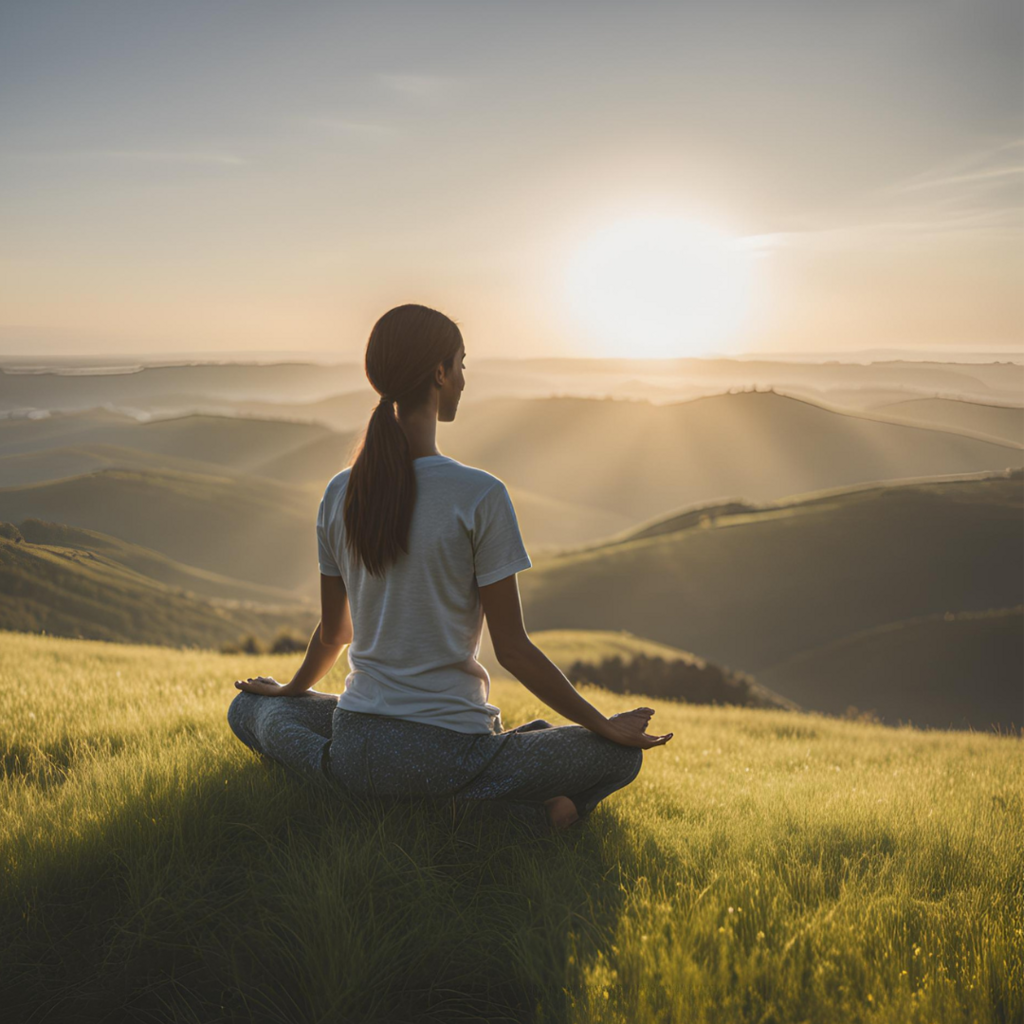

It has roots in various spiritual and philosophical traditions, and it has also gained popularity in contemporary settings as a practice aimed at improving mental and physical well-being.
At its core, meditation is about training the mind to focus and redirect thoughts. It can involve various techniques, including mindfulness, concentration, and visualization. The benefits of meditation are widely recognized and include:
Regular meditation can help reduce stress levels, leading to a calmer mind and body.
Practicing meditation can improve your ability to concentrate and focus on tasks.
It can lead to improvements in overall emotional well-being by fostering a more positive outlook on life.
Meditation encourages a deeper understanding of oneself, promoting personal growth and insight.
Many find that meditation helps in alleviating insomnia and improving sleep quality.
Some studies suggest that meditation can help manage chronic pain and reduce the perception of pain.
Find a comfortable and quiet place where you won’t be disturbed. This could be a corner in your home, a park, or any space that feels peaceful.
If you're just starting, you may want to limit your meditation to 5-10 minutes. As you get more comfortable, you can gradually increase the duration.
Sit or lie down in a position that feels comfortable. You can sit cross-legged on the floor, on a chair with your feet flat on the ground, or lie down if that feels best for you. Keep your back straight but relaxed.
Close your eyes gently and take a few deep breaths. Then, let your breath settle into its natural rhythm. Focus your attention on the sensation of your breath as it enters and leaves your body.
As you meditate, thoughts will inevitably arise. Instead of trying to suppress them, acknowledge them and gently bring your focus back to your breath. It's normal for the mind to wander, so don’t be hard on yourself.
If you're finding it difficult to meditate on your own, consider using guided meditation apps or videos. These resources can provide structure and help you stay focused.
Consistency is key. Try to meditate at the same time each day, whether it’s in the morning, during lunch, or before bed. Regular practice will help you build the habit.
Meditation is a skill that takes time to develop. Some days will feel easier than others, and that’s perfectly okay. The important thing is to keep practicing.
As you become more comfortable with meditation, experiment with different techniques such as mindfulness meditation, loving-kindness meditation, or body scan meditation to find what resonates with you.
After each session, take a moment to reflect on how you feel. Journaling about your experiences can help you track your progress and deepen your understanding of your meditation practice.
Meditation is a versatile practice that can be tailored to meet individual needs. Whether you are looking to reduce stress, improve focus, or cultivate a deeper sense of self-awareness, starting a meditation practice can be a transformative journey. Remember to approach it with an open mind and a sense of curiosity, as every experience can offer valuable insights and benefits.